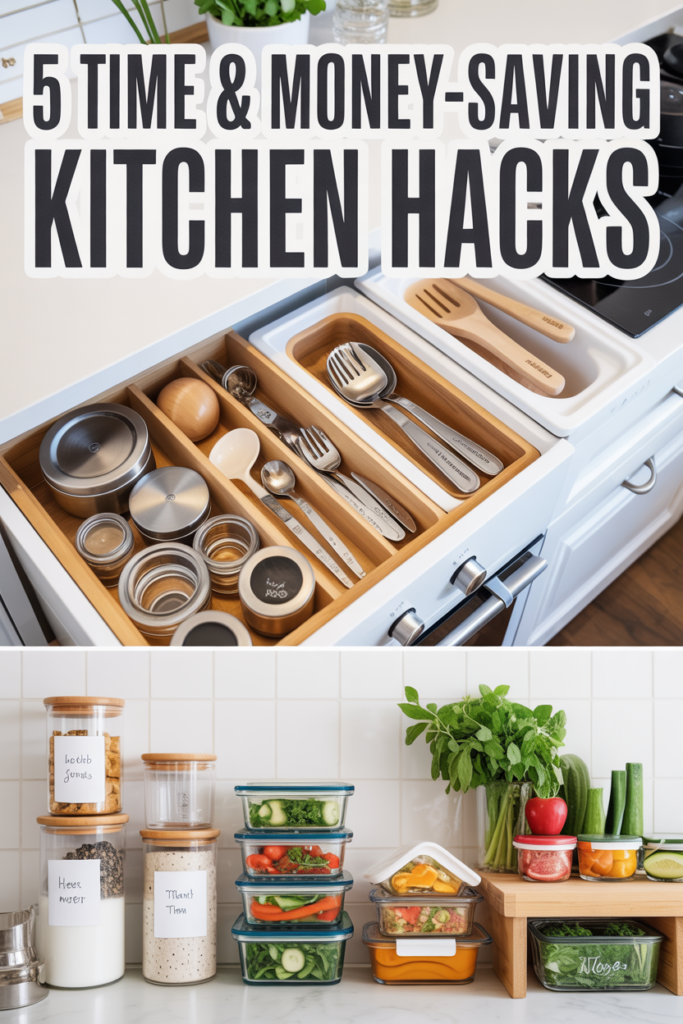
Managing a household budget can feel challenging, especially when grocery prices keep rising. The good news is that a few simple kitchen habits can help you cut food costs, reduce waste, and make meal preparation much easier. From strategic meal planning to organizing your kitchen efficiently, these practical tips can save both time and money every week.
1. Meal Planning: The Ultimate Budget-Friendly Habit
Meal planning is one of the most effective ways to reduce grocery expenses and avoid unnecessary spending. When you know exactly what you’ll cook during the week, you’re less likely to make impulse purchases or let food go to waste.
How to Create an Effective Meal Plan
- Choose a dedicated planning day: Set aside one day each week, such as Sunday, to organize your meals.
- Create a detailed shopping list: Write down all ingredients needed for your planned meals and stick to the list while shopping.
- Plan for leftovers: Cook meals that can be reused for lunches or future dinners. For example, roasted chicken can become wraps, sandwiches, or salads the next day.
- Use seasonal produce: Seasonal fruits and vegetables are usually fresher, tastier, and more affordable.
- Check your pantry first: Use ingredients you already have before buying more.
Benefits of Meal Planning
✔ Reduces food waste
✔ Prevents impulse buying
✔ Saves time during busy weekdays
✔ Helps maintain a healthier diet
✔ Lowers overall grocery costs
2. Batch Cooking: Prepare Once, Eat Multiple Times
Batch cooking is a powerful time-saving strategy that allows you to cook several meals at once. Instead of preparing dinner every night, you can spend a few hours cooking and enjoy ready-made meals throughout the week.
Best Practices for Batch Cooking
- Select freezer-friendly recipes: Soups, stews, casseroles, pasta sauces, and chili are excellent options.
- Cook larger portions: Double or triple recipes to maximize efficiency.
- Schedule a cooking session: Dedicate a few hours after grocery shopping to prepare meals.
- Store meals properly: Use airtight containers and portion meals for easy reheating.
- Label everything: Include the meal name and preparation date.
Why Batch Cooking Works
Batch cooking helps reduce daily kitchen stress while lowering energy consumption from repeated cooking sessions. It also minimizes the temptation to order expensive takeout meals.
3. Maximize Your Freezer for Long-Term Savings
Your freezer is one of the most valuable tools for reducing food waste and stretching your grocery budget. Proper freezing techniques can significantly extend the life of many foods.
Smart Freezer Tips
- Freeze leftovers immediately: Store extra portions for quick future meals.
- Buy discounted items in bulk: Freeze meats, vegetables, and bread purchased during sales.
- Use quality freezer bags: Prevent freezer burn and maintain food quality.
- Label and date every item: Make it easy to track inventory and rotate older items first.
- Create a freezer inventory list: Keep a simple record of what you have available.
Foods That Freeze Well
- Cooked meats
- Soups and stews
- Bread and baked goods
- Vegetables
- Rice and pasta dishes
- Homemade sauces
Using your freezer strategically helps ensure that no food goes to waste while providing convenient meal options whenever needed.
4. Smart Grocery Shopping Strategies That Cut Costs
Saving money starts before you even enter the grocery store. Developing better shopping habits can dramatically reduce your weekly food expenses.
Essential Grocery Shopping Tips
Never Shop Hungry
Shopping on an empty stomach often leads to unnecessary purchases and larger grocery bills.
Take Advantage of Discounts
Use:
- Digital coupons
- Store loyalty programs
- Cashback apps
- Weekly sales flyers
Organize Your Shopping List
Arrange your list according to store sections, such as produce, dairy, frozen foods, and pantry items. This saves time and reduces distractions.
Choose Store Brands
Generic and store-brand products frequently offer similar quality to national brands at a much lower price.
Compare Unit Prices
Always check the price per ounce, pound, or liter to identify the best value.
Common Grocery Shopping Mistakes
- Shopping without a list
- Ignoring sales cycles
- Buying items you already have at home
- Falling for promotional displays
- Purchasing oversized packages that may spoil
5. Organize Your Kitchen for Maximum Efficiency
An organized kitchen makes cooking faster, easier, and less stressful. When everything has a designated place, meal preparation becomes far more efficient.
Kitchen Organization Tips
Declutter Regularly
Remove duplicate tools, expired food, and items you rarely use.
Group Similar Items Together
Store:
- Baking supplies in one area
- Cooking utensils together
- Snacks in designated containers
- Spices on a dedicated rack
Use Clear Storage Containers
Transparent containers help you quickly identify ingredients and monitor inventory levels.
Take Advantage of Vertical Space
Install shelves, hooks, or hanging racks to maximize storage and free up countertop space.
Create Easy-Access Zones
Keep frequently used items within reach to reduce unnecessary movement while cooking.
Benefits of an Organized Kitchen
✔ Faster meal preparation
✔ Reduced food waste
✔ Better inventory management
✔ Less kitchen clutter
✔ More enjoyable cooking experience
Final Thoughts
Saving time and money in the kitchen doesn’t require drastic changes. Small adjustments like meal planning, batch cooking, freezing food properly, shopping strategically, and organizing your kitchen can create substantial long-term savings.
By implementing these five practical kitchen hacks, you’ll spend less on groceries, waste less food, and enjoy a more efficient cooking routine. Start with one or two strategies this week and gradually build habits that transform your kitchen into a money-saving powerhouse.
Frequently Asked Questions (FAQ)
How much money can meal planning save?
Many households save between 10% and 30% on grocery expenses through consistent meal planning and reduced food waste.
Is batch cooking healthy?
Yes. Batch cooking allows better portion control and helps you avoid unhealthy convenience foods.
What foods should not be frozen?
Foods with high water content, such as lettuce, cucumbers, and some dairy products, may lose texture after freezing.
How often should I organize my kitchen?
A quick weekly cleanup and a deeper monthly organization session are usually sufficient.
What’s the easiest kitchen hack to start with?
Meal planning is often the simplest and most effective first step because it impacts grocery spending, food waste, and cooking efficiency simultaneously.
SEO Keywords: kitchen hacks to save money, meal planning tips, batch cooking ideas, grocery shopping strategies, kitchen organization tips, save money on groceries, reduce food waste, budget-friendly meal planning, freezer storage tips, time-saving kitchen tricks.